
Land Buying Process
What Is Unregistered Land in Ghana and Is It Safe to Buy?
Richard Adaze
13 May 2026
Most land in Ho and across the Volta Region is not registered with the Lands Commission. This surprises many buyers, especially those coming from urban centres or from abroad where formal property registration is the norm. But it is not a sign of a broken system. It is simply the reality of this market, and once you understand what unregistered land is and how to verify it correctly, it is entirely possible to buy it safely.
Here is what you need to know.
What does unregistered land actually mean?
Unregistered land is land that has not been formally recorded in the Lands Commission's Deed Registry system. There is no indenture on file, no official ownership record, and no title document that the state has issued.
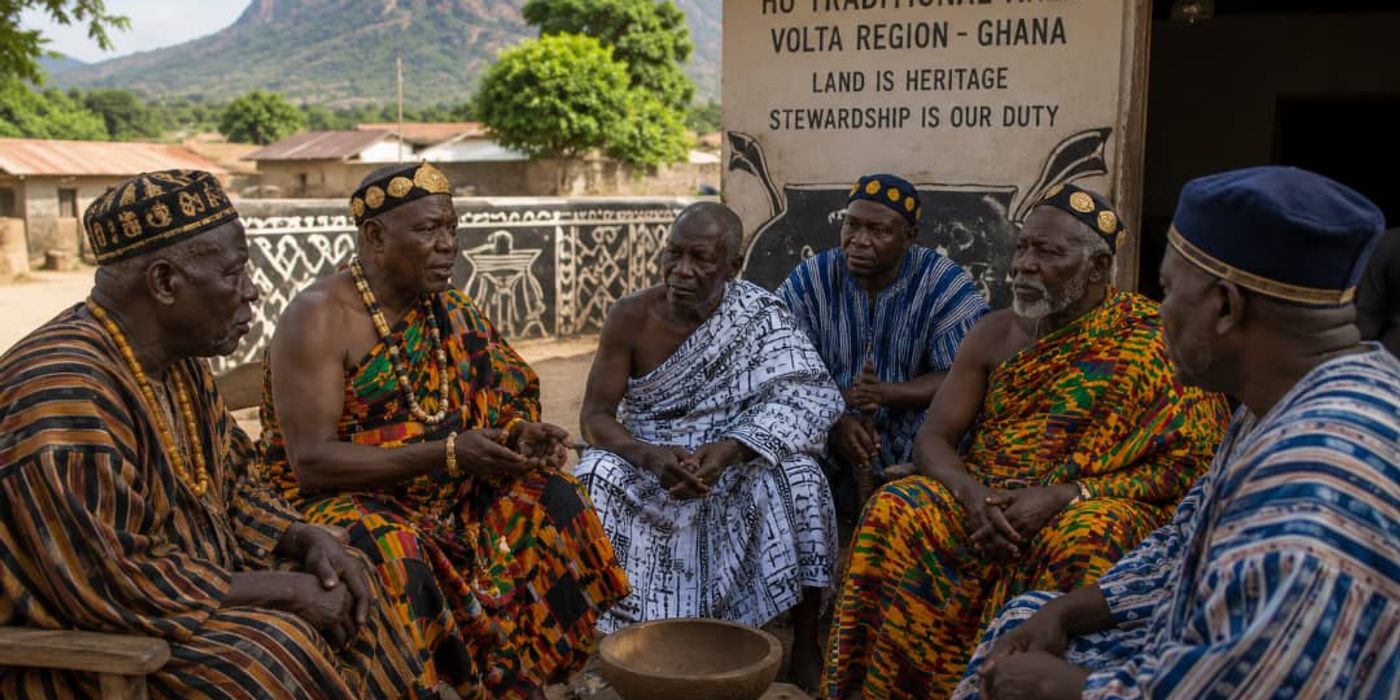
What it does not mean is that the land has no owner. Every piece of unregistered land in the Volta Region belongs to someone. That someone is almost always a family, a stool, or a clan, not an individual. These groups have held custodianship over their land for generations, often long before formal registration systems existed in Ghana. The absence of a Lands Commission record does not mean the absence of an owner. It means you have to do the work to find out who that owner really is.
Who actually owns unregistered land?
When an individual approaches you to sell unregistered land, the trail of ownership always leads back to a collective. A family, a stool, or a clan. The individual selling to you may have been allocated a portion of that collective land for personal use, which is entirely legitimate when done correctly. But the underlying custodianship remains with the group, and that group is the entity whose authority ultimately matters when it comes to signing your indenture.
This is why the first question you must ask when someone offers to sell you unregistered land is not about the price or the location. It is: how did you come to have this land? Follow that answer until you reach the family, stool, or clan it traces back to.
How do you verify unregistered land safely?
The verification process for unregistered land has two parallel tracks that must both be completed.
The first track is formal. You still conduct a Lands Commission search, even though the land is unregistered. The search confirms that nobody else has already registered a claim to that portion. Just because the original family has not registered does not mean a previous buyer has not already gone through the process of registering an indenture for the same plot. The Lands Commission search and the family verification are not alternatives to each other. Do both.
The second track is the family verification. Identify the head and elders of the relevant family, stool, or clan. Meet them in person. Introduce yourself, explain that you are in conversation about purchasing a portion of land within their holdings, and ask three things directly: was this portion genuinely allocated to the person selling to you, are they aware it is being sold, and are they prepared to sign the indenture as vendors when the time comes.
This meeting is not optional and it is not a formality. The family head and elders are the only people with the legal right to sign as vendors on the indenture for unregistered family land. A transaction completed without their knowledge and signature cannot be legitimately defended.
What is the biggest warning sign in an unregistered land transaction?
If the seller asks you to keep the transaction secret from the family, walk away. Full stop. No exceptions.
I have heard every version of this request. Family politics. A difficult relative. A dispute they are trying to avoid. None of it changes the answer. For unregistered land, only the elders have the right to sign as vendors. If they do not know about the sale, the transaction cannot be completed legitimately. Whatever money you hand over without their knowledge is money without legal protection.
What happens after verification is complete?
Once the family head and elders have confirmed the allocation, confirmed their awareness, and confirmed their readiness to sign, and once your Lands Commission search has come back clean, the transaction can proceed. Your independent surveyor creates a fresh site plan from the exact coordinates of the plot. The indenture is drafted, signed by the elders as vendors, witnessed, and sealed by the court. That indenture is then registered at the Lands Commission under the Deed Registry, which converts your private agreement into an official, state-recognised record of your ownership.
Registration is the step that makes your ownership defensible. First to register wins. Once your documents are signed and in your hands, register promptly.
Is unregistered land safe to buy?
Yes, when the verification process is followed completely. The risk in unregistered land transactions does not come from the land itself. It comes from skipping steps, trusting verbal assurances, and allowing urgency or goodwill to replace the process that protects you.
The majority of land transactions completed successfully in Ho every year involve unregistered land. The buyers who come out well are the ones who followed the process. The buyers who come out badly are almost always the ones who were told the process was unnecessary.
If you are looking at unregistered land in Ho or anywhere in the Volta Region and want someone to manage the full verification process on your behalf, book a free consultation here.